
Brian Austin Gallup Certified Strengths Coach
What is CliftonStrengths introduction video 3 minutes
https://www.linkedin.com/in/brian-austin-787bb429/
email: Lrn2Win2@gmail.com

CliftonStrengths for Teams, Coaches, and Student-Athletes
CliftonStrengths
What is CliftonStrengths 3 minute video
CliftonStrengths is a strengths-based assessment developed by Gallup that helps individuals identify their natural patterns of thinking, feeling, and behaving. Rather than focusing primarily on weaknesses or asking, “What do I need to fix?”, CliftonStrengths asks a different question: “What do I naturally do well, and how can I use those talents more intentionally?”
The assessment identifies an individual's Top 5 strengths from 34 talent themes, such as Achiever, Discipline, Relator, Competition, Responsibility, Communication, Adaptability, Strategic, and Learner. The goal is not to put someone in a box or determine what career they should pursue. Instead, it provides a common language for understanding how a person naturally approaches challenges, relationships, learning, leadership, and performance.
CliftonStrengths is used by 90% of Fortune 500 companies and has been taken by over 26 million people since 2022. It has also been used as part of the University of Nebraska Lincoln "Husker Accelerate" program. Every student-athlete is given the personal strengths assessment as part of the life skills program. Some teams have embedded it in their culture. Use the link below to hear about the program from leaders and student-athletes.
Podcast of Univ of Nebraska Lincoln CliftonStrengths program for student-athletes 52 minutes
CliftonStrengths During the Student-Athlete Experience
Student-athletes already spend years learning about performance, teamwork, discipline, resilience, and accountability. CliftonStrengths can help them understand how they personally contribute to those environments.
For example, an athlete with Achiever may be energized by setting goals and continually accomplishing more. An athlete with Relator may build strong relationships and become an important source of trust within a team. Someone with Strategic may naturally see different options and identify a path forward when situations become complicated. A student-athlete with Learner may thrive on mastering new skills, understanding concepts, and continually improving.
Understanding these patterns can help student-athletes become more intentional about their roles on a team, their relationships with coaches and teammates, their academic habits, and their leadership. It can also help them recognize that there is more than one way to be a valuable teammate or leader.
Importantly, strengths are not simply positive labels. Every strength can be overused or applied in the wrong situation. The objective is to develop self-awareness, flexibility, and intentionality—knowing when and how to use one's natural talents effectively.
Preparing for Life After Athletics
For many student-athletes, athletics provides structure, identity, community, goals, and a clear definition of success. When that athletic career ends, those things can change dramatically. CliftonStrengths can help athletes recognize that their strengths belong to them—not to their sport.
The same talents that helped an athlete succeed on the field, court, track, pool, or course can transfer into classrooms, internships, careers, relationships, and leadership.
A student-athlete who has developed discipline can apply it to a professional project. Someone who naturally builds relationships can use that talent in networking, sales, mentoring, or team leadership. A competitive individual can channel that drive toward professional goals. Someone who excels at developing others can become a strong manager, coach, teacher, or mentor.
The important transition is moving from “Who am I as an athlete?” to “Who am I, and how can I use what I have learned about myself?”
From Athletic Identity to Personal and Professional Identity
CliftonStrengths can therefore become a bridge between the student-athlete experience and life after athletics. It gives athletes a vocabulary for explaining what they bring to a classroom, organization, employer, community, or future leadership role.
The ultimate purpose is not to find a job based on a list of strengths. It is to help student-athletes develop the self-awareness and confidence to recognize their transferable talents, communicate their value to others, continue developing their capabilities, and make intentional choices about their future.
The sport eventually ends. The strengths developed and understood through the experience can continue to shape the person long after the final competition.
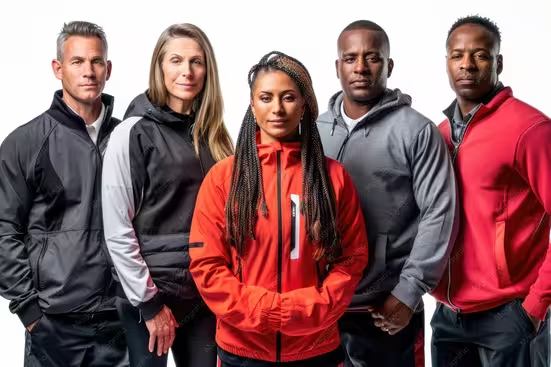
CliftonStrengths for Coaching Staffs
CliftonStrengths can enhance a coaching staff by creating a shared language for understanding both coaches and athletes. When coaches understand their own strengths, they can recognize how those strengths influence their coaching style, communication, decision-making, leadership, and relationships with athletes.
For example, a coach high in Command may naturally be direct and decisive, while a coach high in Empathy may naturally focus on understanding an athlete's perspective. A coach high in Developer may instinctively look for opportunities to help athletes grow, while someone high in Strategic may naturally focus on identifying options and solving complex problems. None of these approaches is inherently better; the value comes from understanding the approach and knowing when to adapt it.
How Coaches Can Use CliftonStrengths to Coach
1. Individualize communication
Athletes do not all respond to the same coaching approach. Understanding an athlete's strengths can help coaches consider whether an athlete may respond particularly well to competition, encouragement, autonomy, detailed preparation, relationships, goals, or opportunities to learn.
2. Improve relationships and trust
Knowing what naturally motivates and engages an athlete can help coaches build stronger relationships. Instead of assuming every athlete needs the same type of interaction, coaches can become more intentional about how they connect with individuals.
3. Develop leadership within the team
Strengths can help coaches identify different forms of leadership. Leadership does not have to come only from the loudest or most vocal athlete. One athlete may lead through relationships, another through accountability, another through strategic thinking, and another through bringing energy and consistency.
4. Build complementary coaching staffs
A staff can examine its collective strengths and identify areas where different coaches naturally contribute. This can help clarify roles, improve communication among coaches, and reduce the tendency for everyone on the staff to approach problems in the same way.
5. Turn weaknesses into development opportunities
CliftonStrengths does not mean ignoring weaknesses. Instead, coaches can help athletes understand where they may need additional strategies, skills, or support—and then use their existing strengths to help address those areas.
6. Prepare athletes beyond their sport
Perhaps most importantly, strengths conversations can help coaches reinforce that the qualities athletes develop through sport have value beyond competition. Coaches can help athletes connect their strengths to academics, leadership, internships, careers, and life after athletics.
The Coaching Opportunity
The real power of CliftonStrengths is not the assessment itself. It is the coaching conversation that follows it.
A staff can move from:
“Here are your strengths.”
to:
“How do these strengths show up when you compete, learn, lead, handle adversity, and work with others?”
And eventually:
“How can we help you intentionally develop these strengths so they serve you as an athlete, student, teammate, leader, and professional?”
Used this way, CliftonStrengths becomes more than an assessment. It can become a coaching framework for individual development, team culture, leadership, communication, and preparing student-athletes for life after athletics.
How It Can Strengthen a Coaching Staff
1. Creates self-awareness
Coaches learn how their natural tendencies influence how they communicate, make decisions, handle conflict, solve problems, and lead. This can help coaches recognize both their contributions and potential blind spots.
2. Builds appreciation for different coaching styles
A staff may have coaches who are naturally strategic, relationship-oriented, analytical, competitive, organized, developmental, or highly communicative. CliftonStrengths provides a language for recognizing that different approaches can complement one another.
3. Improves communication
When coaches understand how colleagues naturally operate, they can become more intentional about how they communicate with one another. This can be especially valuable when discussing athletes, making decisions, or working through disagreements.
4. Helps define staff roles
Rather than simply assigning responsibilities based on position or seniority, a staff can consider where individual coaches' strengths naturally align with responsibilities such as recruiting, player development, scouting, culture, academics, leadership development, or game preparation.
5. Strengthens decision-making
A diverse set of strengths can create a more complete decision-making process. One coach may naturally identify possibilities, another may analyze the information, another may challenge assumptions, and another may focus on execution. Understanding those contributions can help a staff use its collective talent more effectively.
6. Reduces friction and improves conflict management
Differences in communication or decision-making styles can sometimes be interpreted personally. A strengths framework can provide another lens: “This may be how this person naturally approaches the problem.” That can make it easier to have productive conversations without turning differences into personal conflicts.
7. Creates a stronger model for athletes
When coaches demonstrate self-awareness, collaboration, accountability, and appreciation for different strengths, they model the same behaviors they want student-athletes to develop.
The Bigger Opportunity
The most valuable application is to look at three levels simultaneously:
Coach → Coaching Staff → Student-Athlete
A coach understands their own strengths.
The staff understands how its strengths complement one another.
The staff then uses that understanding to better coach each athlete.
That creates a potential cycle:
Self-awareness → Staff collaboration → Better coaching → Better athlete relationships → Stronger team culture → Athlete development beyond sport
The important caveat is that CliftonStrengths doesn't automatically make a staff more effective. The assessment provides the language; the staff's willingness to communicate, adapt, trust one another, and intentionally use those strengths is what creates the benefit.
© Lrn2Win2.com | Imprint | Privacy policy
Lrn2Win2.com
Effort + Mindset = Endless Possibilities!